

How to Communicate Your Brand for Maximum Market Impact
In today’s crowded business landscape, simply having a brand is not enough — you need to communicate it clearly and consistently so it resonates with the people who matter most: your customers. A strong communication strategy doesn’t just raise awareness — it builds trust, loyalty, and lasting value around your brand.
What Brand Communication Really Means
Brand communication is the structured process of conveying your brand’s identity, values, and message to your audience. It answers key questions like who you are, what you stand for, what differentiates you, and most importantly, why customers should care. This messaging should be consistent across every touchpoint — from social media to your website, ads, customer service, and beyond.
Instead of reacting to trends, brands with impact build a clear narrative that reinforces their value and personality in every interaction. This consistency not only increases recognition but also builds credibility and emotional connection with customers.
Key Steps to Communicate Your Brand Effectively
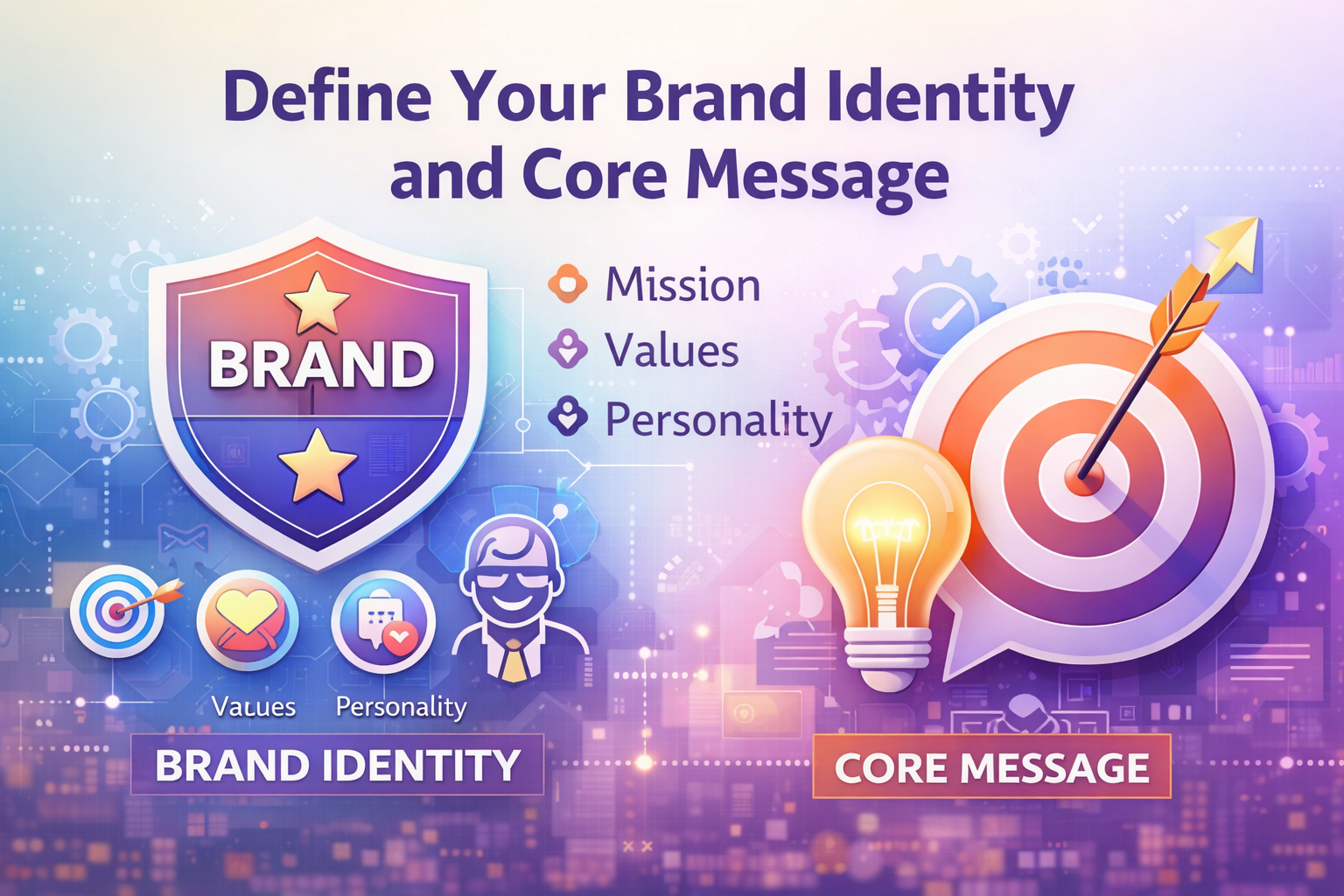
1. Define Your Brand Identity and Core Message
Before choosing channels or tactics, you need a foundation:
Brand identity: your mission, values, and personality.
Core message: what you want people to think and feel after engaging with your brand. This clarity helps align all your communications and ensures your brand speaks with one voice — no matter the medium.
Crafting a strong messaging framework means identifying your unique selling proposition and translating it into simple, memorable language that differentiates you from competitors.
2. Know Your Target Audience
Understanding who you are speaking to is just as important as what you are saying. Conduct market research and audience segmentation to learn:
who your customers are
what they care about
how they prefer to receive information
This level of insight allows you to tailor your messaging to resonate on a deeper level — increasing engagement and response rates.
3. Choose the Right Communication Channels
Not all channels are created equal. To maximize impact, brands should select the channels where their audience spends time and is most receptive to their message.
Digital channels are essential for most businesses today — including:
Social media (Instagram, LinkedIn, TikTok)
Content platforms (blogs, videos, podcasts)
Email marketing and newsletters
SEO and online advertising
These digital channels help build direct engagement and allow precise measurement of results.
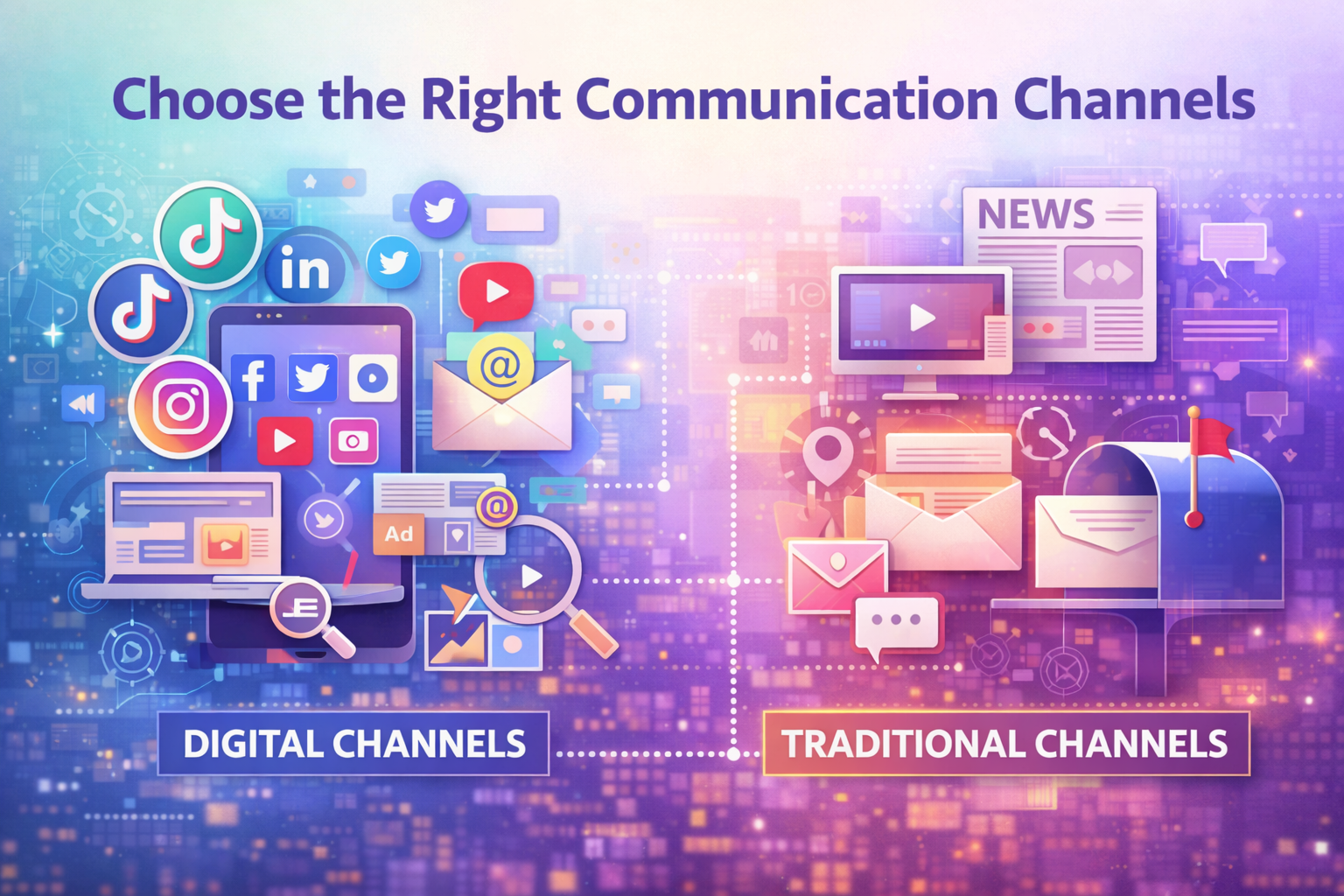
At the same time, traditional media like print, TV, or direct mail can still play a role — especially when integrated strategically with digital efforts to reinforce your brand message across multiple touchpoints.
4. Create Compelling Content
Once you know your audience and channels, the next challenge is what you communicate. Powerful brand communication isn’t just promotional — it’s meaningful and engaging. Great content:
tells a story
reflects your brand values
solves a real problem for your audience
invites interaction
Whether it’s educational blog posts, behind-the-scenes videos, customer stories, or newsletters, your content should be intentional and aligned with your brand voice.
5. Stay Consistent and Measurable
Consistency is the glue that holds every part of brand communication together. From visuals — like logos and color palettes — to tone and messaging style, consistency builds recognition and trust over time.
Setting clear goals (such as brand awareness, engagement, or conversions) gives your communication strategy focus and direction. Measuring performance helps you adjust and refine your approach based on real results.
Best Practices for Long-Term Brand Communication Success
Listen and respond: Brand communication is no longer a one-way street — engaging with your audience makes your brand feel alive and human.
Be authentic: Modern consumers value honesty. Consistent, transparent communication strengthens credibility and helps build lasting relationships.
Embrace a mix of channels: Using both digital and traditional channels in a coordinated way ensures your message reaches people wherever they are.
Iterate and optimize: Communication strategies should evolve with market feedback and changing audience needs. Regular assessment and adjustment help you stay relevant and effective.
Conclusion
Communicating your brand effectively is more than running campaigns — it’s about building a coherent story that resonates, connects, and grows your business. You build this impact by understanding your audience, crafting a compelling message, choosing the right channels, and delivering consistent, authentic content that reflects your brand’s identity and values.
Related Posts

Conversations with AI May Not Be Confidential
Business owners should be careful using consumer AI tools for legal questions: prompts may not be confidential, could be discoverable in litigation, and don’t replace attorney-client privilege or professional legal counsel.
Technology
Entrepreneurship

Building a Culture That Lasts: Leadership, Growth, and the Discipline of Rest
Leadership isn’t just about growth or hard work — it’s about building trust, empowering your team, and modeling rest to create a healthy culture that lasts.
Entrepreneurship
Technology
Social

Automation for Founders in the Investment Stage
Unlock exponential growth. 🚀 Learn how venture-backed founders use automation to stop being bottlenecks and start scaling. From QA as a trust metric to data pipelines, build the "machine" that drives your vision toward Series A. Read more here.
Entrepreneurship
Technology